Pages

Showing posts with label Awsome Cars. Show all posts

Tuesday, 1 October 2013

Why a $2.2 million Bugatti Veyron is the best car deal on Earth

Ever since Henry Ford unveiled the Model T to the public 105 years ago today, the formula for success in the world's auto industry has been fairly simple: Build enough cars to keep the factory full, as efficiently as possible. And yet automakers find new ways to violate that dictate every year, paying tuition of billions of dollars in losses along the way. Thanks to a new report from Europe, we have some fresh insights into just how bad some of those lessons went — and how it makes a $2.2 million Bugatti Veyron the best new-car value on the planet.
In a recent report highlighted by The Economist, analysts at Sanford C. Bernstein looked at the top 10 European models that had produced the biggest losses for the parent company. Thanks to the European economy and business choices that often made political concerns as important as consumer tastes, the Bernstein analysts had a huge field to choose from; the smallest total in the list hit $1.6 billion.
By their reckoning, the Volkswagen Group has lost $2.2 billion on the hand-built, 16-cylinder Bugatti Veyron since its launch in 2003. But unlike all other vehicles, those losses came on sales of only 367 cars — meaning that despite charging a minimum of $2 million for each Veyron, VWhad taken an average loss of $6.2 million on every one.
Bugatti and VW executives have been frank in the past about the car not being a profit maker for VW. At its essence, Bugatti ownership has more in common with joining a global country club for billionaires than buying a mere car, and VW chairman Ferdinand Piech has kept Bugatti going as a way to give VW a calling card among the world's wealthiest consumers with custom interiors and 1,200-hp engines — even if it means losing a billion here and there.
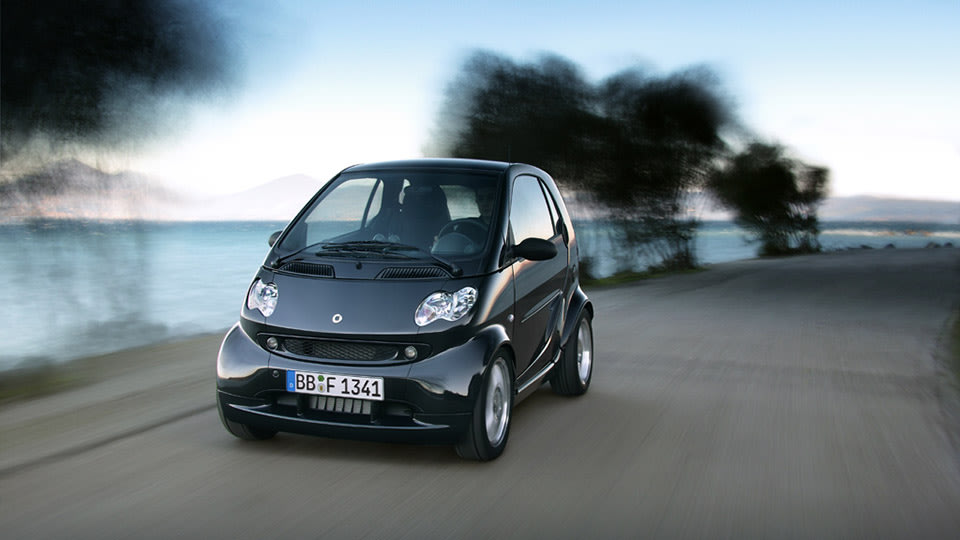
Despite those costs, the Veyron isn't the largest financial calamity created by an European automaker. VW's own Phaeton sedan, another Piech attempt to move VW upmarket, has lost $2.7 billion. And Berstein reckons no model has even failed worse than the first-generation Smart fortwo, a joint venture between Mercedes and the Swiss watch brand that fell wickedly short of sales expectations. Between a new factory, all-new models with no shared parts and new dealerships, Mercedes lost $4.5 billion on Smart between 1997 and 2003, a level of futility that may never be matched. Henry Ford would have known better.

Wednesday, 4 September 2013

From Corolla to Corvette: new car models in 2014


More than 81 U.S. car models will be new or refreshed in the 2014 model year, from big-selling mainstream cars like the Toyota Corolla to rarified supercars like the $1.3 million LaFerrari.
The auto industry is feeling good after several rough years during the recession. Sales of new cars and trucks are expected to reach 15.5 million or more this year, their highest level since the recession, and many think they'll continue to rise in 2014. Low-interest auto loans and moderating gas prices are helping spur consumers to buy.
There are some common threads among the new models in 2014. Automakers are all updating their interiors, replacing hard plastic with soft-touch arm rests and dashboards, and adding larger touchscreens, cooled seats and more ways for drivers to access their smart phones.
Luxury carmakers like Mercedes and Maserati are adding lower-priced models to their ranges, hoping to boost sales, while lower priced brands like Kia are moving upmarket.
Fuel economy is important. Honda and Porsche have new hybrids, BMW is releasing its firstelectric car and Mazda will soon become the first Japanese automaker with a non-commercial diesel in the U.S. market. Electric car maker Tesla expects to introduce its Model X crossover by the end of this year.
Many automakers are also adding stop-start technology, which automatically shuts the car down at stop lights to save fuel. There's also more use of aluminum and high-strength steel to cut the weight out of cars.
But here's what you really want to know: Which vehicle has a new in-car vacuum cleaner? The Honda Odyssey minivan, of course. And which one has optional fiber optics sewn into the headliner to look like stars? That would be the Rolls-Royce Wraith.
Here are the 2014 highlights from each brand.
RLX: Acura got a new flagship sedan in March when the 2014 RLX went on sale. With a new, 3.5-liter direct-injected V-6 engine, the 310-horsepower RLX is the most powerful Acura sedan yet. It gets 24 mpg in combined city and highway driving, which is 1 mpg better than its chief competitor, the Lexus GS 350. Acura stretched the sedan for a roomier interior and also makes standard AcuraLink, which connects to drivers' phones for real-time traffic updates, text messaging and other features. Options include adaptive cruise control that works at speeds as low as 20 mph, and a lane-keeping system that nudges the wheel to keep the car in the center of its lane if the driver is drifting. The RLX starts at $49,345 including shipping.
MDX: The new 2014 MDX, Acura's seven-passenger SUV, went on sale in June. It has lots of new standard features, including keyless entry, jeweled LED headlights, sliding second-row seats and an 8-inch touchscreen dashboard display. It also has some new optional features, including adaptive cruise control that works at speeds as low as 20 mph and a lane-keeping system that nudges the wheel to keep the car in the center of its lane. The MDX is built on a new underbody and is 2.8 inches longer. It's also 275 pounds lighter than the previous model, thanks to wider use of high-strength steel and aluminum. Acura says that gives it a nimbler feel and better fuel economy of 23 mpg in combined city and highway driving. Under the hood is a new, 3.5-liter V-6 engine with 290 horsepower and a six-speed transmission. For the first time, a two-wheel-drive model is available. The MDX starts at $43,185 including shipping.
RS7: A track-tested performance variant is added to the A 7 lineup. The RS 7 gets a twin-turbo 4-liter V-8 with 560 horsepower that takes the car from zero to 60 in 3.7 seconds. Audi says it's the most powerful RS model yet. Goes on sale in the fall. Price not announced.
SQ5: First high-performance S model added to Q5 SUV lineup. Supercharged 3.0-liter V-6 with 354 horsepower; goes from zero to 60 in 5.1 seconds. Available in the summer. Price not announced yet.
R8: High-performance line gets and update with standard LED headlights and round two-outlet exhaust. There's a new 550-horsepower V-10 engine available with a new seven-speed transmission that can take the car from zero to 60 in 3.3 seconds. R8 starts at $114,900 excluding shipping.
Flying Spur: All new with traditional Bentley styling, contemporary cues and a sporty stance. All-new interior with hand-crafted leather and wood veneers. Powered by Bentley's 616-horsepower, 6-Liter twin-turbo 12-cylinder engine and an eight-speed transmission. Goes from 0-60 in 4.3 seconds. Priced north of $200,000. We don't know if that includes shipping, but it doesn't matter.
i3: BMW's first electric car, the i3, goes on sale in the U.S. next spring. It's expected to go 80 to 100 miles on a single charge and has an optional, gas-powered generator that can maintain the battery's charge if the car is too far from a charging station. Drivers can opt for an optional wall-mounted charging station that can get the battery 80 percent charged in less than three hours. On the outside, the i3 — which is made almost entirely from high-strength carbon fiber instead of steel to save weight — will turn heads with its chunky, wraparound windows and big, 19-inch wheels. The i3 starts at $41,350, or $45,200 with the range-extending generator. That doesn't include state, local and federal incentives, including a $7,000 federal tax credit for electric cars.
BUICKLaCrosse: The aging flagship sedan of the brand traditionally driven by old people loses some of its wrinkles. The LaCrosse, in its first update since 2009, gets some minor cosmetic changes on the outside in an effort to make it look more rounded and modern. It also gets LED daytime running lamps and tail lights and a larger front grille. Inside, the seats are new and more supportive, and the center stack gets an update with fewer buttons than the old models. Base engine is GM's 2.4-liter four-cylinder with the "e-Assist" electric motor to boost gas mileage. Updated versions were hitting showrooms in August. Starting price is $34,060 including shipping.

Wednesday, 28 August 2013

Two-seaters, wagons and rally cars: The Ford Mustangs that never were


It's hard to sustain any model of car over a couple of generations, let alone 50 years as the Ford Mustang will mark next year. Auto executives want to make their mark with something new, not wrestle with bringing someone else's old ideas up to date. There's always pressure to either cut costs or grow sales in ways the dilute what made a particular vehicle successful in the first place. And customers tastes change, along with regulations, in ways that inevitably make key features obsolete.
No vehicle demonstrates that better than the Mustang, a car that represents Ford's successes and struggles over the years better than any other. Today's hot-selling Mustang wears its heritage from the front pony badge to its rear vertical taillights, but over the years Ford executives have considered every possible variation of the Mustang — mid-engined, four-doors, even a wagon. The striking 1970 Milano concept above foreshadowed a few touches of the 1971 model and the brooding malevolence of Ford's early '70s muscle cars. In 1988, faced with an aging model badly in need of updates, they nearly talked themselves into switching the Mustang into a front-wheel-drive sports car co-developed with Mazda; the backlash has in many ways powered the Mustang's direction ever since.
Early next year, Ford will reveal the production version of the sixth generation of the Mustang, a modernized design mixing classic cues with the look of the Evos concept for a vehicle Ford hopes to make as popular worldwide as it is in the United States. Until then, here's a look at a few of the roads Ford mulled for the original pony car over the past five decades, but decided not to take.

Sunday, 25 August 2013

How to get $143,000 in options on your Ferrari

 Luxury supercar makers know their customers want a car like no one else has — an easy task to accomplish when building a few hundred vehicles a year, but a far harder one when building several thousand. Yet those same supercar makers also know that a shopper kicking tires on a $200,000 vehicle isn't going to haggle over options that the rest of us would find exorbitant — because it makes the car that much more uniqe. While Porsche has long stood as the master of upselling $2,000 painted wheels and $1,710 custom air vents, Ferrari may have finally surpassed its German rivals, based on this 458 Italia sporting $143,000 in options.
As described by British site FortyOneSix, this 458 dealer demonstration model is meant to show off what a typical British customer would add to his Italia to make it stand out from the rest of the Ferraris on the road. The numbers in the video above seem a little high to begin with; applying the current exchange rate of $1.55 to every British pound only increases their shock value. While some of the prices for add-ons like body parts and performance aids seem within reason, the extra costs for badging, detail painting and technology such as a built-in iPhone cord (a 4th generation version at that) for about $900 appear to come with a sizable Ferrari premium. (Even the Ferrari fire extinguisher costs triple what Porsche charges).
This little dash button may carry a higher cost-per-size than any other. The button engages the Ferrari front suspension lift system, a device that raises the car's body off the road by an extra 5 cm, so that it won't scrape those carbon-fiber diffusers and other expensive underbody parts on speed bumps and parking ramps. Retail price: $4,507, which if you're trying to protect your $225,000 car, probably seems like a worthwhile investment. (Why Ferrari couldn't have made the silhouette look like a 458 rather than a lifted Fiat 124 is a mystery).
Ferrari might be able to lower its prices if it wanted to, or was facing some kind of customer backlash, but there's a waiting list for the 7,000 cars it makes every year, and Ferrari's executives have made clear they will always keep production below demand. And this is only the options lists for the regular clientele; if you want to customize everything, Ferrari will gladly take you to its Corsa Cliente design studio in Maranello to select fabrics and colors for about a 50 percent premium on the base model's cost. If you want to go, book ahead, because at the moment the studio has all the business it can afford.

Thursday, 22 August 2013

2014 Chevrolet Corvette Stingray, dollar for dollar: Motoramic Drives

Upon its launch in 1953, the Chevrolet Corvette's sticker price of $3,490 was high but not outlandish for a two-seat sports car — slightly more than a median family's annual income, and well below the Cadillacs and Imperials of the era. In the six decades since, that relationship between how much Americans earn in a year of toil and how much it takes to buy the nation's oldest sports car has stayed surprisingly consistent. Today, the median U.S. family of four earns $51,000 a year, and lo and behold, the 2014 Chevrolet Corvette Stingray starts at $52,000.
But what Corvette buyers get for their money has varied wildly. In the '60s, they bought an uncivilized street race car wrapped in one of the most attractive fiberglass bodies ever made. In the '70s and '80s, they drove home smog-choked big blocks and the first digital dashboards. In more recent times, those loyal Vette shoppers often came home feeling like they'd snagged a bargain, since the aging Vette needed rebates to motivate its aging fans.
So what does the new 2014 Stingray offer a public that's tuned out all things Corvette over the past decade?
.Here's one insight into how much this car means around General Motors: For the launch in California, Chevy decided to arrange test drives of every generation of Corvette, from a 1955 model through the outgoing 2013 edition. GM has its own museum, but its Corvettes from before the current model year were too rare and valuable to risk at the hands of people like me. Instead, GM North American chief Mark Reuss had Chevy staffers buy gently used examples of five generations of Vettes with his own money — which helped explain why a couple were never left with us alone.
Driving those cars back to back reveals a Sisyphean struggle against cost cutting and maximum performance. The 1955 version I sampled felt like wheeling a tugboat around, with a steering wheel the size of a Prius tire. The 1966 Sting Ray 427 had a monster under the hood that we could only poke at, and never unleash. By the 1970 LT-1 edition, the chassis had started to feel stable, and by 1985 the shape of the modern Corvette took hold, even if it would take another three decades to save the interior from the budget cutters. And after driving all six preceding generations, it's correct to say the 2014 Corvette Stingray marks the greatest advancement of the Chevy sports car since its launch 60 years ago.
Let's not set the bar too low; any new car has to be far better than a decade-old predecessor, if for no other reason than the march of technology. But given the delays of GM's bankruptcy, Corvette chief engineer Tadge Juechter and team kept pushing further, and when they finally stopped they had a car that shared only two parts with the previous Corvette
Start with the engine. It's still a pushrod V-8, with two valves per cylinder, as familiar as the small-block Chevy began putting into the Vette in 1955. And yet, everything that touches or controls it is thoroughly modern, from the variable valve timing and direct injection that helps provide 460 hp and 460 lb.-ft. of torque, to the ability to shut off four cylinders at highway speed and keep the Vette loafing at 65 mph with just 12 hp. If your hand rests on the shifter when the system kicks in, you can feel a brief tremolo through the stick as the "V-4" light on the dash turns green. Otherwise, it's unnoticeable, and a key reason why the Vette has a 29 mpg highway rating (and can get to 30 mpg with a light foot).
To handle that power and produce a 0-60 time of 3.8 seconds, Juechter and company caught the Corvette up with software. The 21st-century standard of world-class sports cars requires electronic driving controls as discreet as an English butler — always ready to help, always anticipating disaster, but never suggesting that the lord of the manor has lost authority. The new Vette uses a combination of technologies, from an electronic limited-slip differential to third-generation magnetorheological dampers, all tied together by sensors and programming that eternally wonder what's next.
Over 200 miles of driving and a few laps of an autocross course, I found I couldn't fool the Vette without directly telling it to play dumb. If I screwed up a corner, there was always either more torque to wheel me around faster or the right amount of braking to recover gracefully. In its standard "Touring" driving mode, the Vette devours highway miles with little wind noise and a non-fatiguing ride. In track mode, the display switches to a race-centric view of rpms, the engine growls deeper and those seats grip tighter. I miss the steering feel of the hydraulic units, but the Vette's electronic version ranks among the best I've sampled. Chevy engineers swapped a rubber bushing for a straight bolted connection to give the steering some sense of what's happening on the road.
On a lap of Mazda Raceway Laguna Seca with Rick Malone from Ron Fellows Driving School in Las Vegas, the Vette undramatically hit 125 mph and pulled 1.17 gs of turning force through a corner. If the Vette's five programmable driving modes aren't quite as refined as the Porsche 911s, they're closer than most drivers will ever discover — especially the track settings which can be further tuned to give plenty of room for disaster. (Malone, as you can tell, enjoyed himself.)
About that seven-speed manual transmission: The top two gears are almost superfluous, and even at 70 mph on a freeway I worried the V-8 might stall in top gear. Juechter says the team hasn't done its top-speed testing yet, but expects the Vette to reach somewhere north of 190 mph in fifth gear. In fact, from about 40 mph on, there's no need for anything but fifth — because the torque band of the V-8 has been stretched so wide. And the seven-speed's rev matching makes it the shifter of choice over the six-speed automatic. Turn it on, and that balancing act of throttle and clutch that scares so many stick-shift neophytes disappears; the Vette measures your speed and momentum, guesses which gear you're going to next (either up or down) and spins the engine appropriately. Clutch, shift, clutch — even a 16-year-old can look smooth doing it.
Exterior design chief Tom Peters wanted to give the Vette a look that would banish some of the previous model's anonymity; he talks of trying to create the next bedroom poster car for today's 10-year-olds. In that, he's succeeded, and even the hubbub over the tail lights has waned. From behind the wheel, the fenders of the Vette have been raised in homage to the '63 Sting Ray, a design refined by clay sculptors rather than in a computer because the shape had to feel right under hand. The composite and carbon-fiber body panels no longer need huge gaps to expand and contract; the Vette has the same 3mm seams as any steel-bodied model, and the interior finally banishes the last bits of Emerson-grade electronics and bad PVC for real aluminum and leather.
Were we to pick nits on every last thing about the Vette, we could come up with a few complaints. The interior still has a bit too much plastic for a $52,000 car. The electronic entertainments and switchable displays work as advertised, but fall victim to the auto industry's eternal 18-month lag with the latest tech, taking long pauses between a command or button punch and the right response. Those Michelin Pilot Super Sport run-flat tires will be expensive to replace. There's no spare tire.
And that's about it.
For a starting price of $52,000, and a properly Z51-equipped model for $57,000, the Corvette offers more performance for the dollar than any other new sports car. It's not that GM has hidden its cost cutting, although some switch gear will look familiar to Chevy Cruze owners. It's that without the Corvette Stingray, foreign sports car makers could get away with overcharging for things that shouldn't cost so much. Because the Vette will share an engine block with millions of GM's pickups and SUVs, and engineering talent for basics like safety tests and fuel economy, it costs far less to build than Porsche or BMW can ever match. In the world of performance cars, the Stingray's a bargain. Keeping the rest of the world honest is just gravy.